


|
Name |
Polarlicht |
|---|---|
|
Google Play Link |
GET IT ON
Google Play
|
|
Category |
Weather |
|
Developer |
Andreas Möller |
| Last version | 1.70.0 |
|
Updated |
|
|
Compatible with |
Android 7.0+ |
Introduction to Polarlicht APK
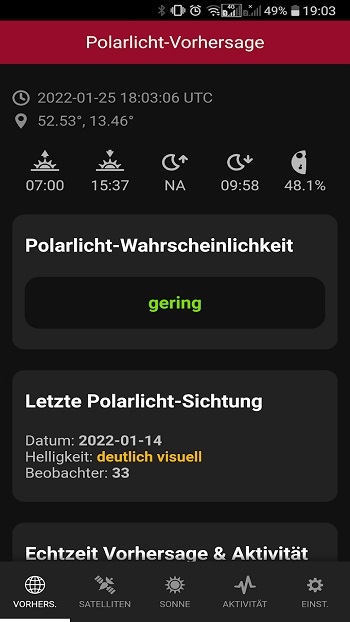
Polarlicht is a mobile application designed for Android users who want clear and timely information about northern lights visibility in Germany and nearby regions. It is a utility app, not a game, and it focuses entirely on space weather data that affects aurora activity. The app translates complex scientific inputs into simple signals that regular users can understand without a technical background.
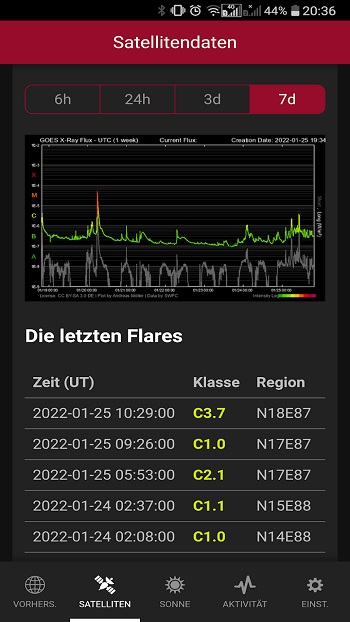
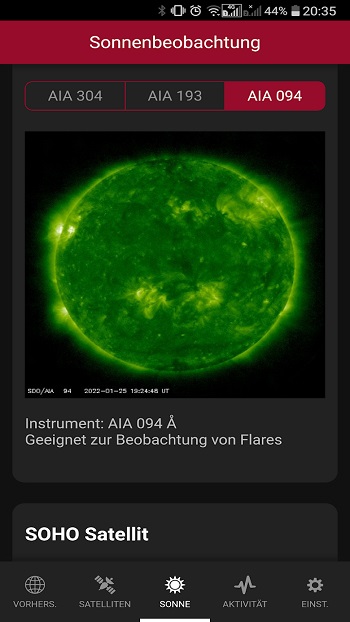
The main purpose of Polarlicht is to forecast when auroras may be visible from Central Europe. It tracks solar activity, geomagnetic conditions, and regional visibility thresholds that matter for locations far south of the Arctic Circle. This makes it especially useful for Germany, where aurora sightings are rare and timing matters a lot.
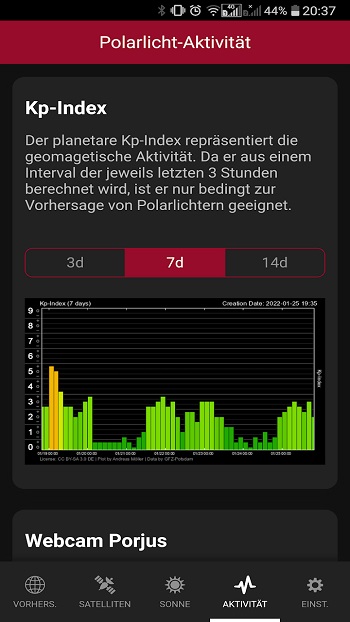
Polarlicht provides real-time updates based on KP index levels, solar wind speed, and magnetic field data. Location-based forecasts help users judge their chances depending on where they are standing, not just general Europe-wide alerts. Weather overlays and cloud coverage support planning, since clear skies are as important as solar conditions.
One of the biggest advantages of the app is convenience. Instead of reading raw space weather charts, users see straightforward indicators and notifications. This saves time and reduces false expectations. Push alerts are helpful during strong solar events, especially late at night when auroras are most likely to appear.
There are also limitations worth noting. Aurora visibility in Germany is never guaranteed, even during strong geomagnetic storms. The app relies on external scientific data, which can shift quickly. Sudden cloud cover, light pollution, or local terrain can still block visibility despite positive forecasts.
Polarlicht suits sky watchers, photographers, and anyone curious about rare natural events without wanting to study space physics. It works best during periods of higher solar activity and for users willing to check conditions patiently rather than expecting instant results. Rural areas and northern regions benefit the most from its guidance.
FAQs Polarlicht
What is Polarlicht?
+
Polarlicht is an Android app that forecasts northern light visibility using real-time space weather data, designed mainly for users in Germany and Central Europe.
How does Polarlicht predict auroras?
+
It analyzes KP index values, solar wind speed, and geomagnetic conditions from scientific sources to estimate regional aurora visibility.
Can Polarlicht guarantee aurora sightings?
+
No, it provides probability-based forecasts. Weather, clouds, and light pollution still affect what you can actually see.
Is Polarlicht useful outside Germany?
+
Yes, it can be helpful in nearby European regions, though forecasts are most accurate for Central and Northern Europe.
Who should use the Polarlicht app?
+
It suits casual sky watchers, photographers, and anyone interested in tracking rare aurora events without needing technical expertise.
Discover More Interesting Apps






Share Your Thoughts